
This post contains affiliate links.
This blog post will explore the nutritional benefits, convenience, and culinary uses of canned beans and dried beans to help you choose which is better for your needs.

Today's post is all about beans. And by beans, I mean black beans, pinto beans, red kidney beans, cannellini beans, garbanzo beans, great northern beans, and more. I don't mean green beans.
Beans are delicious, nutritious, and one of the most versatile items you can cook with. It's always a great idea to have beans stored in your pantry. The question is, which type should you have on hand? A can of beans or a package of dried beans?
Let's do a deep dive into their similarities and differences to find which is better. Here we go!
Jump to:
Nutritional Comparison
Eating beans offers a lot of health benefits. Beans are a nutrient-dense food, rich in plant-based protein, fiber, and essential nutrients like iron and folate.
Additionally, they are low in fat and contain complex carbohydrates, providing sustained energy and helping to regulate blood sugar levels. They are great for lowering high blood pressure and aiding in digestion.
But which is healthier, canned or dry beans? Let's take a look.
Sodium Content
- Canned Beans often contain extra salt for preservation purposes. This means they probably have a higher amount of sodium than homemade dried beans. However, you can usually find canned beans labeled "reduced sodium" if sodium intake concerns you.
- Dried beans are naturally sodium-free, so the sodium content depends on how much you add when you cook them.
Nutrient Retention
- Canned beans undergo a cooking and canning process that may result in a slight loss of water-soluble vitamins, such as B vitamins. However, the nutrient loss is generally minimal.
- Dried Beans: Generally retain more of their original nutrient content since they are not pre-cooked or processed.
Additives
- Canned Beans: These may contain preservatives, additives, or a lining in the can that can introduce chemicals like BPA (though many brands now offer BPA-free cans).
- Dried Beans: Free from additives or preservatives, offering a more natural option.
Fiber and Protein
- Both canned and dried beans are rich in fiber and protein. The content remains largely similar after cooking.
Summary: Both canned and dried beans are equally rich in fiber and protein.
Canned beans may lose some of their nutrients during the canning process, but it's just a little bit. Canned beans are higher in added salt and other preservatives.
Dried beans are completely natural and you can control the amount of salt and other added ingredients.
Because of this, dried beans have a slight edge on canned beans regarding nutrition.
Winner: Dried Beans
Convience and Preparation
Dried beans may have slightly beat canned beans in the nutrition department, but canned beans destroy dried beans for convenience and ease of use.
Canned Beans Preparation: ready immediately
- Canned beans are already fully cooked.
- All you have to do is open their can with a can opener and they are ready to be used.
Dried Beans Preparation: 1-3+ hours to prepare
- Soaking: Many people prefer to soak dry beans before cooking. This helps speed up the cooking process and can also improve the overall texture of the homemade beans. There are two soaking methods:
- Quick soak: takes about 1 hour
- Overnight soak: takes about 8 hours

- Cooking the beans: Dried beans need to be softened before consumption. You can cook dried beans on the stovetop, in a slow cooker or pressure cooker (instant pot), or even bake them in the oven.
- Each type of bean and cooking method has its own cooking time, but you can plan on anywhere from 30 minutes to 2 hours (if you've already soaked your beans).
You can save yourself some time in the future by cooking up a large batch of beans and freezing them in individual portions that you can use later. Check out "How to Freeze Beans" for a full tutorial.
Winner: Canned Beans

You Can Freeze Beans!
Learn how to cook dried beans and freeze them for quick, delicious meals that save you time and money.
Cost-Effectiveness
Both dried beans and canned beans are both pretty inexpensive pantry ingredients. I can't think of a better source of protein and fiber that is cheaper. That being said, dried beans are a bit more cost-effective than cans of beans.
As of July 2024, at my local grocery store in Washington State:
- 1 can of black beans costs 86 cents.
- 1 pound of black beans costs $1.76
One pound of dried black beans makes the same amount as 4.7 cans of black beans. You save about $2.28 per pound of black beans if you cook with dried instead of canned.
Prices will vary per location and based on the type of bean, but dried beans will always be less expensive and a better value. If you do prefer canned beans, you can save money by buying the store brand beans, instead of the name-brand canned beans.
Winner: Dried Beans
Flavor and Texture
It's hard to say if fresh or canned black beans taste better than the other, because taste varies from person to person. Personally, I think that if you are adding your beans into a recipe where they will mix in with a lot of other flavors, the taste difference between the two is minimal.
If you are planning on eating the beans plain, then dried beans always taste a little better to me. They just taste so fresh and the texture is a little less mushy.
The one bean that tastes soooooo much better fresh is canned chickpeas (aka garbanzo beans). I am truly amazed at how delicious they were when freshly cooked.
Winner: personal preference, but probably dried beans

Shelf Life
Canned Beans Storage
Canned beans usually have a shelf life of 2-5 years when stored in a cool, dry place.
They can often remain safe to eat longer if the can is undamaged and is stored properly. Here are some key points to consider:
- Manufacturer's Date: Most cans will have a "best by" or "use by" date printed on them. This date is an estimate of how long the product will maintain its best quality.
- Storage Conditions: To maximize shelf life, store canned black beans in a cool (below 85°F or 29°C, ideally around 50-70°F or 10-21°C), a dry place, such as a pantry or cupboard.
- Can Integrity: Always check the condition of the can. If it is bulging, leaking, rusting, or damaged in any way, it is best to discard it regardless of the date.
- Sensory Check: When opening the can, if the beans have an off smell, color, or appearance, it's safest to discard them.
Dried Beans Storage
Dried beans have a very long shelf life when stored properly. Here are the key points regarding their shelf life:
- Optimal Storage Conditions: Dried black beans should be stored in a cool, dry place in an airtight container. The optimal temperature for storage is around 50-70°F (10-21°C).
- Shelf Life: Under these conditions, dried black beans can last indefinitely. However, for best quality, they are typically used within 1-2 years. After this period, they may begin to lose flavor and nutritional value.
- Quality Over Time: Over time, dried beans may become harder and require longer cooking times. They can still be safe to eat, but their texture and taste might degrade.
- Check for Pests: Ensure the storage area is free from pests, which can infest dried beans if not stored in airtight containers.
- Signs of Spoilage: If dried beans develop an off smell, show signs of mold, or have been infested by insects, they should be discarded.
Winner: Tied
Here are some great long-term storage options for your dried beans.
 Buy Now →
  Buy Now →
 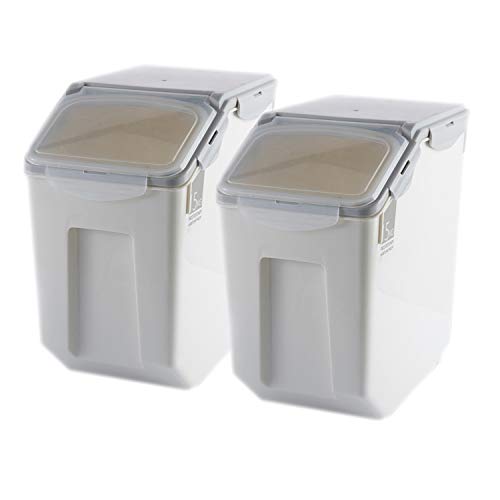 Buy Now →
 Environmental Impact
My blog is called The Incredible Bulks, because I love shopping in the grocery store's bulk section. I love this section because I believe it creates less waste. You can use reusable packages and storage containers and only get the amount of food you need. Dried Beans are one of the staples of the bulk section.
Here are some reusable products I use when shopping for beans in the bulk section.

Reusable Grocery Shopping Bags, 10 Pack
Buy Now →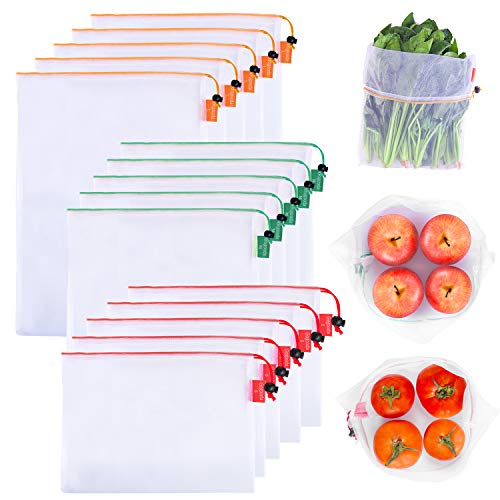
Reusable Produce Bags, Set of 15
Buy Now →Here are some other ways that dried beans are better for the environment.
- Energy Use: Dried beans have a lower overall energy footprint due to less processing and lighter packaging.
- Carbon Emissions: Transportation and processing of dried beans generally result in lower carbon emissions compared to canned beans because canned beans are heavier and take up more space.
- Waste: Dried beans generate less packaging waste, and their packaging is often more environmentally friendly.
Winner: Dried Beans
Substituting Dried and Canned Beans
Substituting dried beans with canned beans is straightforward, but you'll need to adjust quantities and cooking times. Here's how you can do it:
Quantity Conversion:
- Dried to Canned: Generally, 1 cup of dried beans yields about 3 cups of cooked beans, which is approximately the equivalent of two 15-ounce cans.
- Canned to Dried: If a recipe calls for 1 cup of dried beans, you can use about two 15-ounce cans of beans, drained and rinsed.
Preparation:
- Dried Beans: Usually require soaking overnight and then cooking, which can take 1 to 2 hours depending on the type of bean.
- Canned Beans: These are already cooked, so you can skip the soaking and long cooking times. Just drain and rinse them before use to reduce sodium and improve flavor.
Cooking Time Adjustment:
- If a recipe calls for cooking dried beans for a long period (e.g., in a stew or chili), reduce the cooking time when using canned beans. You usually only need to simmer them for 15-30 minutes to absorb the flavors.
- If you're using canned beans, adding them later in the cooking process can prevent them from becoming too mushy.
Flavor Considerations:
- Canned beans may have added salt or other preservatives. Adjust the salt in your recipe accordingly.
Remembering these adjustments, you can easily substitute canned beans for dried beans in most recipes.
Frequently Asked Questions
Dried beans are slightly healthier than canned beans because they usually have less sodium and added preservatives. Also, beans do lose some nutrients during the canning process.
However, the differences in nutrients are not significant enough to say that dried beans are way healthier than canned. They are both healthy ingredients.
½ cup of dried beans is the equivalent of 1 can of beans. 1 can of beans usually holds about 1 ½ cups of cooked beans.
However, the amount can vary based on the type of bean you are using, but it's usually close enough.
Yes, you can easily substitute canned beans for dried beans and vice versa. Check out the "Substitutions" section above to make sure you get the quantities and cook times right.
Yes, any type of bean in a can is already cooked and ready to be added into a recipe.
No, they are already cooked, so you do not need to soak them. Soaking them will make the mushy.
Yes, I found a great tutorial for canning beans. Check out: "How to Can Dry Beans" from The Prairie Homestead.
Conclusion
As you can see, there are benefits to cooking with both dried beans and canned beans. Here are the results of the side-by-side comparisons:
- Nutrition winner: dried beans
- Convenience winner: canned beans
- Cost winner: dried beans
- Taste: personal preference
- Shelf life: tied
Honestly, I have both types of beans in my pantry and use them frequently. I'd love to hear which one you prefer. Let me know in the comments!
Also, is there anything I've missed? Let's keep the conversation going below. Also, keep scrolling to find a bunch of bean resources and recipes.
✌️Ems
Favorite Bean Recipes
You can use dried or canned beans for these recipes.


Denise Bennett
Hi, I came across this lovely comparison post. I prefer canned beans when making puerto rican rice and beans on weeknight for quick prep. However, I love dried beans because they save me money and I can make their texture vary. I also love having them in clear containers in my kitchen areas to remind me to eat them. I can buy in bulk and they don't go bad once opened like with a large can of beans. I make them quickly without soaking in my pressure cooker and only takes a little over an hour.
Emily
Thank you for your thoughtful comment!
Verity
Thank you for your comparisons. Something you overlooked in both expense and impact is the fact that dried beans require a large amount of water, both to soak and to cook, and they require a good deal of fuel to cook. Where I live electricity is expensive, and time is also valuable. Thank you!