
This post contains affiliate links.
In this post, you'll discover the history of Navy beans, their impressive nutritional benefits, tips for preparing them properly, and a handful of delicious, versatile recipes to inspire your next meal.

Jump to:
What are Navy Beans?
Navy beans are small, nearly round legumes, similar in size and shape to black beans, with a smooth, thin skin. They're white when dry and take on a light creamy hue once cooked, offering a mild flavor and a soft, velvety texture.
Navy beans got their name from the U.S. Navy, which began serving them as a staple to sailors in the mid-1800s thanks to their affordability, long shelf life, and impressive nutritional value.
Navy beans are called by several other names around the world, including:
- Haricot Beans: especially in the UK and around Europe.
- Pea Beans: due to their small, round shape.
- Boston Beans: they get this name because of their role in Boston Baked Beans.
- Yankee Beans: A more historical name.
Sometimes Navy beans are simply called "white beans" but this can be confusing since Great Northern Beans and Cannellini beans are also referred to by that name.
For more info on how Navy beans differ from other white beans, check out my post called "Navy Beans vs Great Northern Beans."

History of Navy Beans
Navy beans originated in the Americas and had been cultivated and consumed by Indigenous people for centuries before European contact.
In the 19th century, the U.S. Navy adopted them as a dietary staple for sailors, thanks to their affordability, long shelf life, and high protein content.
Over time they became a key ingredient in the traditional American dishes like Boston baked beans and Navy bean soup.
Outside of the United States, you can find Navy beans a variety of international recipes. From Mediterranean stews and French cassoulets to hearty British baked beans on toast.
Nutritional Value
Navy beans are incredibly nutritious and provide a lot of benefits in a small package. Here's a quick look at what they offer:
- High in Protein: One cup of cooked Navy beans has about 15 grams of protein, making them a great plant-based option for muscle-building and repair.
- Rich in Fiber: Navy beans are packed with fiber (about 19 grams per cup), which helps with digestion, keeps you feeling full longer, and supports heart health.
- Low in Fat: These beans are naturally low in fat, making them heart-healthy and great for those looking to keep their fat intake in check.
- Packed with Vitamins & Minerals:
- Folate: Essential for healthy cell growth and great for pregnant women.
- Iron: Important for healthy blood and preventing anemia.
- Magnesium: Helps with muscle function, nerve function, and maintaining strong bones.
- Potassium: Supports heart health and helps regulate blood pressure.
- Folate: Essential for healthy cell growth and great for pregnant women.
- Good Source of Complex Carbs: Navy beans provide steady, long-lasting energy because they are rich in complex carbohydrates, which break down slowly and won't cause a spike in blood sugar.
- Navy beans have a low Glycemic Index (GI) score, typically around 30 to 40, depending on how they're cooked.
- Navy beans have a low Glycemic Index (GI) score, typically around 30 to 40, depending on how they're cooked.
- Antioxidants: They contain antioxidants that help protect your cells from damage.
In short, Navy beans are a powerhouse of nutrients that support everything from digestion to heart health. They're also great for keeping you full and energized without being heavy on calories.

Buying Navy Beans
Here in the United States, Navy Beans are widely available in grocery stores and are very inexpensive. You can purchase them in a can or as dried beans.
If you'd like to learn more about the differences between the two check out "Canned Beans vs Dried Beans: Which is Better?"
Preparing and Cooking Navy Beans
Canned Beans
If you're using canned navy beans, they're already cooked and can be added directly to your recipe. However, it's a good idea to drain and rinse the beans before using them to remove excess sodium and any canning liquid.
Dried Navy Beans
If you've bought dried navy beans, you'll need to prepare and cook them before incorporating them into your favorite recipes.
Pre-Soaking
It's a great idea to soak dry navy beans before cooking them for several reasons:
- Speeds up cooking process: depending on the cooking method used, soaking your dried beans beforehand can significantly reduce the cooking time.
- Improves Digestion: Soaking helps break down certain compounds in beans, like oligosaccharides, which can cause gas and bloating. It makes the beans easier to digest and can reduce those uncomfortable side effects.
- Improves Bean Texture: Soaking helps ensure that the beans cook more evenly, resulting in a creamier texture rather than having some beans be overcooked and mushy while others remain hard.
- Better Flavor Absorption: When beans are soaked, they tend to absorb flavors from the cooking liquid better, giving your dishes a more vibrant taste and allowing seasonings to infuse more thoroughly.
While soaking provides many benefits, it isn't 100% necessary every time. So if you forget to make time for a pre-soak, it's ok, you can still cook your dried beans. They'll just take a little longer.
Soaking Methods
There are two different ways to pre-soak dried navy beans.
- Overnight (or Long) Soak: For this method you let your beans soak for many hours in cool water. Check out "How to Soak Beans Overnight" for more info.
- Quick Soak: This method involves soaking the beans for a short period of time in hot water. For a full tutorial check out "How to Quick Soak Beans."
Cooking Methods
Once you've pre soaked your beans, there are several easy methods for cooking them:
- Stovetop: about 2 hours
- Instant Pot: about 40 minutes
- Crockpot: about 8 hours

Flavor Pairings
Navy beans have a mild, nutty flavor that makes them easy to pair with a variety of seasonings. Here are some great flavor combinations:
- Herbs: Garlic, thyme, bay leaves, rosemary, sage, and parsley add fresh, aromatic notes.
- Spices: Cumin, paprika, black pepper, and a pinch of cayenne bring warmth and depth.
- Broths: Cooking beans in vegetable, chicken, or ham broth infuses them with rich, savory flavor.
These pairings help elevate the natural taste of Navy beans and make them the perfect base for many dishes.
How to Store Navy Beans
Canned Navy Beans
- Store in a cool, dry place.
- Always check the expiration date before purchasing or using.
- Before using canned Navy beans, inspect the can for dents, leaks, or swelling, as these can be signs of spoilage or compromised packaging.
- Once opened, transfer any unused beans to an airtight container and refrigerate. They typically last only 3-4 days in the fridge.
Dry Navy Beans
- Store in a cool, dry place, away from direct sunlight or humidity.
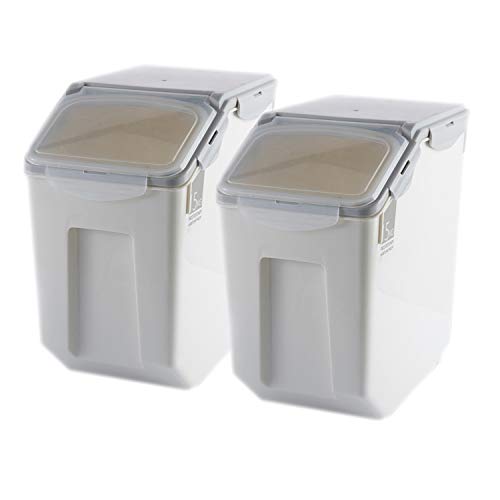
- Transfer dry Navy beans to an airtight container, such as a glass jar, plastic container, or resealable bag, to protect them from moisture, air, and pests. Make sure the container is clean and dry before adding the beans.
- Be sure the beans are completely dry before storing them; moisture can lead to mold or spoilage. Avoid storing beans in damp environments like near stoves or dishwashers.
- When stored properly, dry Navy beans can last for 1-2 years.
Dried Bean Storage Containers
 Buy Now →
  Buy Now →
  Buy Now →
 Cooked Navy Beans
- Store cooked Navy beans in an airtight container and refrigerate. They usually last about 3-4 days once cooked.
- You can also freeze cooked Navy beans for longer storage. For a step-by-step guide on how to freeze beans successfully, check out my post "You Can Freeze Beans!"
Delicious Recipes Using Navy Beans
Navy beans can be used in so many tasty ways, here are a few go-to recipe ideas:
- Classic Navy Bean Soup
- Vegan White Bean Chili
- Mediterranean Navy Bean Salad
- Boston Baked Beans
- Navy Bean Spread or Dip
Sustainability & Budget-Friendly Benefits
Navy beans are both eco-friendly and budget-conscious, making them a smart choice for sustainable eating.
As a plant-based protein, they have a much lower environmental impact than animal proteins, using less water and producing fewer greenhouse gases.
They're also incredibly affordable, especially when bought dried, and can be cooked in bulk for easy meal prepping throughout the week.
With their long shelf life and minimal packaging waste, Navy beans are a pantry staple that's good for your wallet-and the planet.

Conclusion
Navy beans may be small, but they're mighty when it comes to nutrition, versatility, and value. Whether you're new to cooking with them or a longtime fan, these humble legumes are a delicious and practical addition to any kitchen.
Try a new recipe, stock up your pantry, and enjoy all the benefits Navy beans have to offer!
I'd love to hear more about your favorite way to eat Navy Beans. Let me know in the comments! I'm always looking for new recipes to try.
✌️Ems


Comments
No Comments