
This post contains affiliate links.
Red beans are a kitchen staple found in cuisines across the globe, from classic Southern red beans and rice to rich stews and soups. These small but mighty legumes are packed with nutrition, loaded with health benefits, and steeped in history. Whether you're a foodie, a health enthusiast, or both, red beans are a fantastic ingredient to incorporate into your meals.

Jump to:
Origin and Characteristics of Red Beans
Red beans are a member of the legume family, meaning they are edible seeds that grow inside a pod on a plant.
They are believed to have originated in Central America before becoming a culinary icon in Louisiana, where red beans and rice remain a beloved tradition. Over time, red beans made their way into dishes worldwide, appreciated for their flavor, versatility, and nutritional value.
Appearance
Red beans are small, oval-shaped legumes with a smooth outer skin. Their deep red hue makes them visually striking, and they are smaller and rounder than kidney beans. Despite their size, they hold sauces and seasonings well, making them a flavorful addition to various recipes.
When cooked, red beans change from a bright red to a reddish brown color.

Taste
Red beans have a mildly sweet and nutty flavor with a creamy texture. They readily absorb the spices and flavors of a dish, making them a versatile ingredient in savory and even sweet recipes.
Nutritional Profile of Red Beans
Red beans are a nutrient-dense food that offers an impressive array of macronutrients and micronutrients:
Macronutrients
- Protein: Red beans provide about 15 grams of plant-based protein per cooked cup (240 ml), making them an excellent choice for vegetarians, vegans, or anyone reducing animal-based proteins.
- Carbohydrates: They're rich in complex carbohydrates, delivering long-lasting energy without blood sugar spikes. Each cooked cup contains around 40 grams of carbs.
- Fiber: Red beans are high in dietary fiber, offering about 11 grams per cooked cup, supporting digestive health and satiety.
Micronutrients
- Vitamins: Red beans are especially rich in folate (Vitamin B9), which is essential for red blood cell production and fetal development. They also contain B1 (thiamine) and B6, important for energy metabolism.
- Minerals: Red beans are packed with iron, potassium, magnesium, and zinc, essential for overall health.
Low in Fat
Red beans are naturally low in fat, with less than 1 gram per cooked cup. They are free of saturated fats and cholesterol, making them heart-friendly.
Health Benefits of Red Beans
Red beans not only taste great but also offer numerous health advantages:
Heart Health
- Potassium for Blood Pressure: Red beans help regulate blood pressure by balancing sodium levels.
- Fiber for Cholesterol: Their soluble fiber reduces LDL ("bad") cholesterol, lowering the risk of heart disease.
- Low in Fat: Naturally low-fat foods like red beans support a heart-healthy diet.
Diabetes Management
- Low Glycemic Index (GI): Red beans have a low GI, making them ideal for maintaining stable blood sugar levels.
- Complex Carbs: These slow-digesting carbs prevent sugar crashes and improve insulin response.
Digestive Health
- High Fiber: The fiber content promotes regular bowel movements and supports a healthy gut microbiome, reducing the risk of conditions like IBS.
Weight Management
- Low-Calorie Density: One cup of cooked red beans has around 220 calories, providing a filling, nutrient-rich option for weight loss.
- Protein and Fiber: These nutrients help you feel fuller longer, curbing appetite and preventing overeating.
Rich in Antioxidants
- Red beans are loaded with antioxidants, including flavonoids and phenolic compounds, which combat free radicals and reduce inflammation.
Preparing and Cooking Red Beans
Red beans, like kidney beans, contain a toxin called phytohemagglutinin, which can cause vomiting and digestive issues. The toxin is neutralized through proper soaking and cooking.
Soaking
- Soak red beans overnight or use a quick soak method (boil for 2-3 minutes, then let sit for an hour). This process reduces toxins and improves digestibility.

A step-by-step guide
How to Overnight Soak Beans

A step by step guide
How to Quick Soak Beans
Cooking Methods
- Stovetop: about 2 hours
- Pressure Cooker: about 50 minutes
- Slow Cooker: about 8 hours
Canned Red Beans
Canned red beans are already fully cooked and are ready to be eaten. Be sure to drain and rinse them to reduce sodium.
If you'd like to learn more about the differences between canned and dried beans, check out my post, "Canned Beans vs Dried Beans: Which is Better?"
Storage Guidelines
Cooked Red Beans
- Store in an air-tight container and refrigerate. Beans usually last only 3 days once opened.
- Cooked red beans can also be easily frozen. For a step-by-step guide on how to successfully do this, check out my post called "You Can Freeze Beans!"
Canned Red Beans
- Store in a cool, dry place.
- Check the expiration dates.
- Before using canned red beans, check for dents, leaks, or swelling, which may indicate spoilage or compromised packaging.
- Once a can has been opened, transfer any unused beans to an air-tight container and refrigerate. Beans usually last only 3 days once opened.
Dried Red Beans
- Store in a cool, dry place.
- Transfer dry red beans to an airtight container such as a glass jar, plastic container, or resealable bag to protect them from moisture, air, and pests. Make sure the containers are clean and dry before adding the beans.
- Before storing dry beans, ensure they are completely dry. Any moisture can lead to mold growth and spoilage. Avoid storing beans in humid environments, such as near the stove or dishwasher.
- Dry beans, properly stored, can last for 1-2 years.
Dried Bean Storage Containers
 Buy Now →
  Buy Now →
 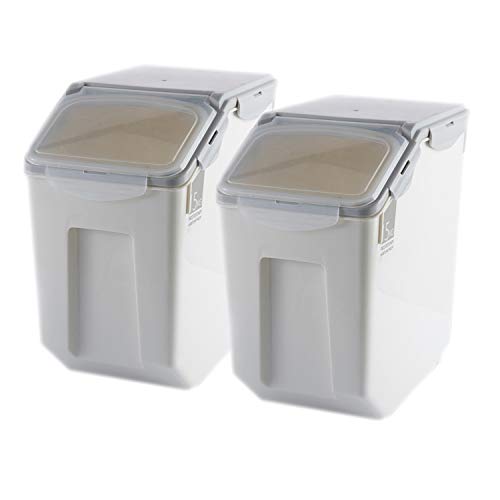 Buy Now →
 Red Bean Recipes
Red beans are best known in the Louisiana traditional Red Beads and Rice recipe. If you'd like to find out more about the history of Red Beans and Rice, check out "The Fascinating History of Red Beans and Rice in New Orleans."
Red beans are incredibly versatile, appearing in dishes worldwide, including:
- Red Beans and Rice: A classic Creole dish.
- Chili: Adds creaminess and depth of flavor.
- Soups and Stews: Perfect for thickening and adding protein.
Here are some of my favorite red bean recipes:
Authentic Louisianan Red Beans and Rice
Red Bean Salad with Walnuts and Fresh Herbs
Frequently Asked Questions
Kidney Beans: the best direct substitute for red beans. They are very similar in flavor and texture.
Pinto Beans: these are similar in size and texture to red beans. They are also a similar color when cooked.
Black Beans: these are also similar in size and texture to red beans, but have a very different color.

Conclusion
Red beans are a nutrient-packed, delicious ingredient that fits into almost any cuisine. Whether you're cooking a hearty stew or a simple rice dish, these small red legumes provide flavor, nutrition, and versatility. With proper preparation, they can be a healthy, sustainable choice for any meal.
What's your favorite way to enjoy red beans? Let me know in the comments-I'd love to hear your recipes and ideas!
✌️ Ems


Comments
No Comments